



World Mental Health Day raises awareness of the increasing problems many millions of people across the globe suffer from with their mental wellbeing. At Geoffrey Miller Solicitors we speak to clients on a daily basis whose mental health was at crisis point prior to an arrest for a drink or drug related charge. Whilst we are not psychiatrists, over our 21 years of trading as a motoring law firm, the team at Geoffrey Miller Solicitors have had to become more knowledgeable about mental health issues and how they can impact a client’s ability to provide instructions to us, deal with the anxiety that comes with a pending prosecution, how mental health issues could in fact be used as a defence to a charge or as mitigation to seek a more lenient sentence at court.
So what is mental health?
Mental health means emotional and psychological health so that a person can use his thinking, feelings and abilities, to perform in society and meet the normal needs of daily life. Therefore, prevention of mental illness and a healthy mental environment is the basic needs of mental health.
Effect of mental health on people’s life and the warning signs?
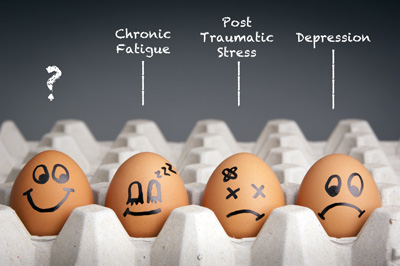
It is mental health that determines how we manage stress, how we relate to others and our choices. If you have mental health problems, it can affect your thinking, mood and behaviour. The warning signs for mental health can involve:
 Eating or sleeping too much or too little
- Pulling away from people and usual activities
- Having low or no energy
- Feeling numb or like nothing matters
- Having unexplained aches and pains
- Feeling helpless or hopeless
- Smoking, drinking or using drugs more than usual
- Feeling unusually confused, forgetful, on edge, angry, upset, worried, or scared
- Yelling or fighting with family and friends
- Experiencing severe mood swings that cause problems in relationships
- Having persistent thoughts and memories, you can’t get out of your head
- Hearing voices or believing things that are not true
- Thinking of harming yourself or others
- Inability to perform daily tasks like taking care of your kids or getting to work or school
People who suffer from a mental health condition are more likely to develop chronic physical illnesses. For example, people with chronic physical illnesses are twice as likely to have mood swings or anxiety as otherwise healthy people.
The connection between mental health and addiction (smoking, drinking, or using drugs more than usual)
In many cases, there is a clear link between alcohol or drug misuse and mental health; Substance and alcohol abuse often starts because of emotional stress, or alcohol and drug abuse contributed to mental health problems. This has been increasingly so since the Covid-19 Pandemic when our other healthier coping mechanisms such as exercising and socialising were restricted in the various lockdowns we were forced to comply with.
At the start of the first lockdown in 2020 there were a plethora of memes circling about young parents drinking wine for breakfast to help them cope with the stresses of home schooling! However, although lockdown has eased (for now) many people’s alcohol and drug consumption has not reduced as addictions have formed.
Alcohol may help you to relax and to send you off to sleep. Therefore, occasionally consuming a small amount of alcohol may give you relaxation before sleeping. However, relying on alcohol to sleep or deal with your mental health becomes an issue when you become reliant on alcohol or drugs consumption to relax or get on with your day-to-day life.
The same applies to drugs misuse or other substances to help you deal with your mental health or sleepless nights. We have dealt with a handful of cases where an individual used either alcohol or drug as a go to substance to help them sleep better, to help with their chronic pains or emotional stress.
Driving while under the influence of drugs or alcohol
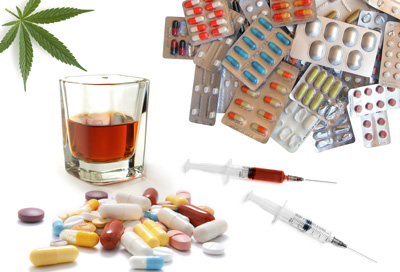 Depending on the biometrics of an individual, alcohol can stay in your system for over 24 hours. It is against the law to drive a motor vehicle if:
- You’re unfit to do so due to the consumption of legal or illegal drugs
- You have certain levels of illegal drugs in your blood (even if they have not impaired your driving)
- You drove or were in charge of a motor vehicle with alcohol concentration above the prescribed limit.
In addition, you may be charged with careless or dangerous driving if the standard of your driving falls below or far below what would be expected of a competent and careful driver.
Detention and treatment of persons by police officers
The Police and Criminal Evidence Act 1984 was introduced to unify police powers and to carefully balance the rights of the individual against the powers of the police.
The custody officer must make sure the detainee receives appropriate clinical attention as soon as reasonably practicable if a person1:
(a) appears to be suffering from physical illness; or
(b) is injured; or
(c) appears to be suffering from a mental disorder; or
(d) appears to need clinical attention.
This is regardless of any request made by the detainee for clinical attention or whether or not clinical attention has already been received elsewhere.
Rehabilitation as a punishment
If you are found guilty of drug or alcohol-related offences, especially in the event of serious motoring offences, the court may consider the imposition of a community order that involves a form of rehabilitation to help you to recover from alcohol or drug misuse and dependency as opposed to imposing other community orders, i.e. curfew or unpaid work.
In cases where the Court considers the offender would benefit from a rehabilitation course, the Court would refer you to Probation Services before sentencing. The Probation Service will always arrange to have a one to one interview with a defendant to assess suitability for such a court and produce a report for the Court outlining information about:
- What you think about what you did and what you think about the victims of your offence (if there are any)
- The circumstance leading up to the offence and surrounding the offence
- Any remorse you may have for the offence and/or victim.
- Your personal circumstances, for example, your family, any addictions or difficulties you have and whether or not you are working
- Your health (physical and mental)
- What your hopes and aspirations are when the sentence is concluded and how you will reform in the future
The probation service can have a substantial influence on sentence, so it is important that a good impression is made. We often find that a probation officer is looking to see if a defendant accepts responsibility for an offence and how the circumstances leading to it came about. It is therefore important for defendants who meet with a probation officer to demonstrate remorse for their actions and any victims.
Latest News

Bank Holiday Opening Times May 2025

New Sentencing Guidelines for Drug Driving

Drug Driving – Fake Danger?

How Many Joints Make 2µg/Litre of Blood?

COVID-19 and the Courts

An overview of drug driving

The Effects of CBD and Passive Smoking of Cannabis

Police powers to require a drugalyser and search of a vehicle




Add comment